
Last Updated: October 29, 2026
Quick Summary
Organic skincare for barrier repair in the UK is worth it only if the ingredients match what your skin needs. Organic describes how ingredients are grown, not how well they repair the barrier, so look for lipid-replenishing ingredients, humectants and few irritants. Patch test every new product first.
- Natural" has no fixed meaning in UK cosmetics law, so check the ingredient list and any certification logo.
- Barrier-supportive products replenish lipids such as ceramides, cholesterol and fatty acids, and attract water with humectants like glycerin.
- Organic does not automatically mean better repair; fragrance or essential oils can irritate sensitive skin even in organic products.
- Patch test each new product on the inner arm or behind the ear for 24 to 48 hours before wider use.
- The Sensitive Skin Starter Set costs £50.00, saving £15 against buying Pure Whipped Tallow and Calm Balm separately.
Table of Contents
- What Organic Skincare Actually Means in the UK
- Signs Your Skin Barrier Needs Help and What Causes Damage
- Best Ingredients for Skin Barrier Repair
- Tallow Skincare for Sensitive Skin: Products Compared
- Skin Barrier Repair Routine for Sensitive Skin
- How Long Does Skin Barrier Repair Take?
- Patch Testing, Sensitivities and When to Seek Advice
- Booking Your Starter Set for a Calmer Routine
- Frequently Asked Questions
What Organic Skincare Actually Means in the UK
Organic skincare for barrier repair in the UK is a category many shoppers misunderstand, so it's worth starting with definitions. At Izzy Rose Skin, we make concentrated tallow skincare and botanical haircare for dry, sensitive and reactive skin, and we'd rather you understood the label than simply trusted it.
"Organic" on a skincare product generally means ingredients grown or produced to recognised organic standards. "Natural" is a looser term with no fixed meaning in UK cosmetics law. Certified organic means an independent body has verified the claim. Many products use "natural" on the front of the pack while containing few or no certified organic ingredients, so check the ingredient list and any certification logo rather than the headline.
Our own formulas use grass-fed tallow, shea butter, beeswax and botanical oils. We don't claim every ingredient is certified organic, so ask us directly if that matters to your decision.
Signs Your Skin Barrier Needs Help and What Causes Damage
Your skin barrier is the outer layer that holds moisture in and keeps irritants out. When it's compromised, skin tends to feel tight, look dull, sting when you apply products, or flare with redness.
Common causes include over-cleansing, hot water, harsh exfoliants, frequent use of strong actives and cold, dry weather. Many people with eczema or dermatitis find their skin reacts more when the barrier is already weakened. If you have a diagnosed skin condition, speak to your GP or a dermatologist before changing your routine significantly.
Best Ingredients for Skin Barrier Repair
The skin barrier is often described as a brick wall: skin cells are the bricks, and the mortar between them is a mix of lipids, ceramides, cholesterol and fatty acids, plus proteins such as filaggrin that help hold water in. Barrier-supportive skincare works by topping up those lipids, attracting water into the upper layers, or reducing the irritation that keeps the barrier from rebuilding. Understanding which job an ingredient does makes it easier to judge whether an organic product is actually doing barrier work or simply feeling pleasant.
Lipid-replenishing ingredients
These are the closest thing to mortar. Well-studied examples include ceramides (often listed as ceramide NP, AP or EOP), cholesterol and fatty acids. Formulators frequently combine them in a ratio that mimics the skin's own lipid mix, because ceramides alone can be less effective than a balanced blend.
Plant oils and butters can play a similar supporting role. Grass-fed tallow, shea butter and beeswax are lipid-rich, occlusive and emollient ingredients that soften and seal the skin. They are not the same as ceramides, and a product that relies on them should be judged on that basis rather than on ceramide-style claims.
Humectants
Humectants pull water into the upper skin layers. Glycerin is the most common and one of the best-evidenced; hyaluronic acid, panthenol (pro-vitamin B5) and urea also appear. Humectants work best when sealed in with an emollient or occlusive, which is why many barrier creams pair glycerin with a lipid-rich base.
Soothing and anti-inflammatory botanicals
Calendula, chamomile, oat and bisabolol are included in many organic formulas for their soothing role. Plant extracts can themselves cause reactions in sensitive skin, so they are best treated as supporting ingredients rather than substitutes for lipid replenishment.
Where organic ingredients fit, and where they don't
This is the comparison most organic roundups avoid. Certified organic plant oils and butters can be excellent emollients and occlusives, and they appeal to shoppers who want fewer synthetic ingredients. But "organic" describes how an ingredient was grown, not how well it repairs a barrier. A cold-pressed organic oil is not automatically more effective than a well-formulated ceramide cream, and a product can be certified organic while containing fragrance or essential oils that irritate sensitive skin.
A practical way to read a label is to ask three questions: does it contain a lipid-replenishing ingredient (ceramides, cholesterol, fatty acids, or a rich oil/butter base)? Does it contain a humectant such as glycerin? And does it contain potential irritants such as fragrance or essential oils? A product can pass on the first two and still fail the third for reactive skin.
Sensitive Skin Starter Set | Pure Whipped Tallow + Calm Balm →
Our own formulas use grass-fed tallow, shea butter, beeswax and botanical oils, and we don't list ceramides or peptides, so we won't claim they're there. We're happy to talk through the full ingredient list if you're comparing against a ceramide-based cream.
Tallow Skincare for Sensitive Skin: Products Compared
A price list doesn't tell you whether a product suits your skin. The table below adds texture, key ingredients and the skin types each product best suits, so you can compare on the things that actually affect whether a barrier-repair routine works for you.
| Product | Price | Texture | Key ingredients | Best for | Less suited to |
|---|---|---|---|---|---|
| Pure Whipped Tallow | £35.00 | Light, whipped balm | Grass-fed tallow, shea butter, botanical oils | Dry, tight skin; everyday face and body moisture | Very oily or acne-prone skin that prefers gel textures |
| Calm Balm | £30.00 | Rich, concentrated balm | Tallow, beeswax, calendula, chamomile | Lips, hands, elbows and dry patches; overnight sealing | Large areas if you dislike a heavy finish |
| Sensitive Skin Starter Set | £50.00 | Two full-size products | As above | Trying both essentials together; a short routine | Anyone who only wants one product |
| Calm + Glow Ritual | £65.00 | Three-step set with facial oil | Tallow, botanical oils, bakuchiol | A fuller routine for dry skin wanting a facial oil step | Reactive skin that prefers minimal steps |
| Mini Discovery Set | £29.99 | Travel-size selection | As above | Testing the range before buying full sizes | Anyone who has already identified a favourite |
How to choose by skin type
- Dry or tight skin: Pure Whipped Tallow as a daily moisturiser, with Calm Balm on areas that need extra protection. This is the core barrier-supportive pairing.
- Sensitive or reactive skin: start with one product, patch test, and keep the routine short. Calm Balm on targeted areas is often the gentlest entry point.
- Oily or combination skin: a rich tallow balm may feel heavy. Use a small amount on dry patches rather than all over, or look for a lighter lotion texture.
- Eczema-prone skin: our products are cosmetic and not treatments for eczema. If your skin is inflamed, broken or spreading, speak to your GP or a dermatologist before adding new products.
What the prices include
The Sensitive Skin Starter Set pairs Pure Whipped Tallow and Calm Balm for £50.00, saving £15 against buying them separately. The Mini Discovery Set at £29.99 is the lowest-cost way to test textures before committing to full sizes. All prices are in GBP.
Best for: people with dry, tight skin who want a short, moisture-focused routine built on lipid-rich ingredients. Skip if: you need a prescription treatment, want a ceramide- or peptide-based formula, or need a product guaranteed free of botanical ingredients.
Skin Barrier Repair Routine for Sensitive Skin
A simple routine works better than a long one for most sensitive skin. Cleanse gently once or twice a day with lukewarm water. Apply Pure Whipped Tallow to clean skin while it's still slightly damp, then use Calm Balm on areas that need extra protection.
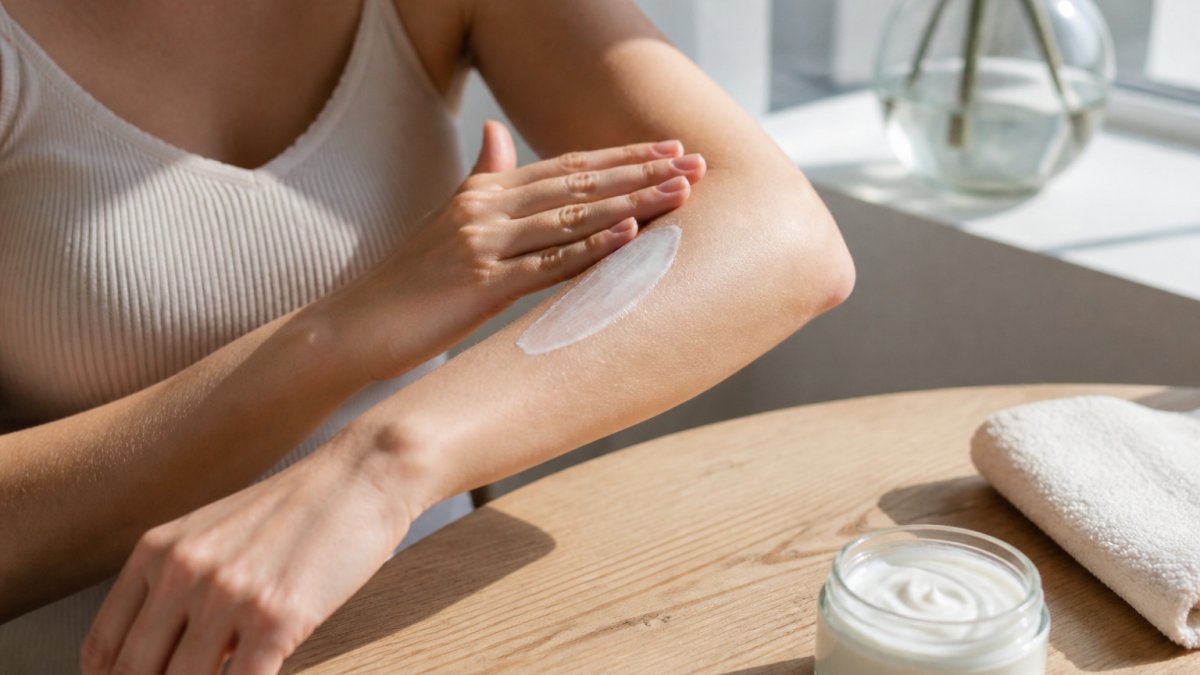
Keep the number of steps low while you're recovering. Adding several new products at once makes it hard to know what's helping or causing a reaction.
How Long Does Skin Barrier Repair Take?
Barrier recovery varies with the cause and severity of damage. Many people notice initial softening within days of consistent moisturising, but more durable changes often take several weeks. Persistent redness, pain or spreading rashes need professional assessment rather than more product.
Patch Testing, Sensitivities and When to Seek Advice
Patch test every new product before using it widely. Apply a small amount to the inner arm or behind the ear, leave it for 24 to 48 hours, and watch for itching, redness or swelling. Botanical oils, essential oils and cosmetic actives can all trigger reactions, so check each ingredient list carefully.
Stop using a product if irritation develops, and see your GP or a dermatologist if symptoms persist. Our products are cosmetic and aren't treatments for eczema, psoriasis or other medical conditions.
Booking Your Starter Set for a Calmer Routine
If you want a gentle place to start, the Sensitive Skin Starter Set gives you a full-size Pure Whipped Tallow and Calm Balm for £50.00. It's designed for dry, sensitive-feeling skin, and you can patch test each product before using it more widely.

Frequently Asked Questions
What is the best organic skincare for skin barrier repair?
The right organic option depends on your skin type and how reactive it is. For dry, sensitive skin, look for a short, lipid-rich routine built on a rich moisturiser and a balm for dry patches. Izzy Rose Skin's Sensitive Skin Starter Set (£50.00) pairs Pure Whipped Tallow with Calm Balm, giving face, body and targeted care in two products. Check each ingredient list, and patch test any new product on a small area for several days before using it across your face.
Which natural ingredients can help support the skin barrier?
Ingredients that act as emollients, such as fatty acids, shea butter and plant oils, help soften skin and reduce moisture loss. Beeswax can form a protective layer over moisture, and botanicals like calendula and chamomile are traditionally used for comfort. Vitamin E is a common antioxidant conditioning ingredient. Natural does not automatically mean gentle, so introduce each new product slowly and watch how your skin responds.
Can tallow skincare help with dry or sensitive skin?
Tallow contains fatty acids such as palmitic, stearic and oleic acid, which make it a useful base for rich, lipid-based moisturisers. Izzy Rose Skin's Pure Whipped Tallow (£35.00) is designed for daily face and body use on dry-feeling skin. Tallow-based products can still cause reactions in some people, so patch test first, particularly if you have eczema, rosacea or known sensitivities. If your symptoms persist, speak to a GP or pharmacist.
How long does it take for a damaged skin barrier to recover?
Recovery time varies with how damaged the barrier is and what is causing the problem. Many people notice softer, less tight skin within a few days of consistent gentle care, while full recovery of comfort and resilience commonly takes several weeks. Stopping harsh products, cleansing gently and moisturising twice daily speeds the process. If redness, cracking or irritation worsen or do not settle, seek advice from a GP or pharmacist.


