
Last Updated: October 23, 2026
Quick Summary
Small batch skincare is face care made in short production runs, often by hand or in small teams, so each batch stays fresh and closely checked. It costs more per jar but gives you a shorter ingredient list, tighter quality control and a maker you can question about batch size, fill date and shelf life.
- Pure Whipped Tallow costs £35.00 for 118ml and is water-free, so a pea-sized amount goes far.
- Patch test on the inner forearm for 48 hours, then repeat behind the ear before using on the face.
- Small batch" has no legal definition in the UK, so ask makers for batch size and fill date.
- The Mini Discovery Set is £29.99 and includes four minis for testing textures first.
- The Sensitive Skin Starter Set is £50.00 for two full-size products worth £65 separately.
Table of Contents
- Small Batch Skincare for Face: What Actually Matters
- The Small-Batch Skincare Brands Worth Your Money
- Quick Comparison: Products, Sizes and Prices
- What Small-Batch Skincare Cost Really Buys You
- Natural Skincare for Sensitive Skin: Reading the Label
- How to Patch Test Face Skincare Before You Commit
- Which Set Should You Pick?
- Conclusion
- Frequently Asked Questions
Small Batch Skincare for Face: What Actually Matters
Small batch skincare is face care made in short production runs, often by hand or in small teams, so each batch stays fresh and closely checked.
The trade-off is real. Small batch skincare costs more per jar because the maker cannot spread development, testing and packaging across huge volumes.
Below, we break down five products worth buying, what the prices actually pay for, and how to patch test before you commit.
The Small-Batch Skincare Brands Worth Your Money
We kept this short deliberately. Every product here is water-free or oil-based.
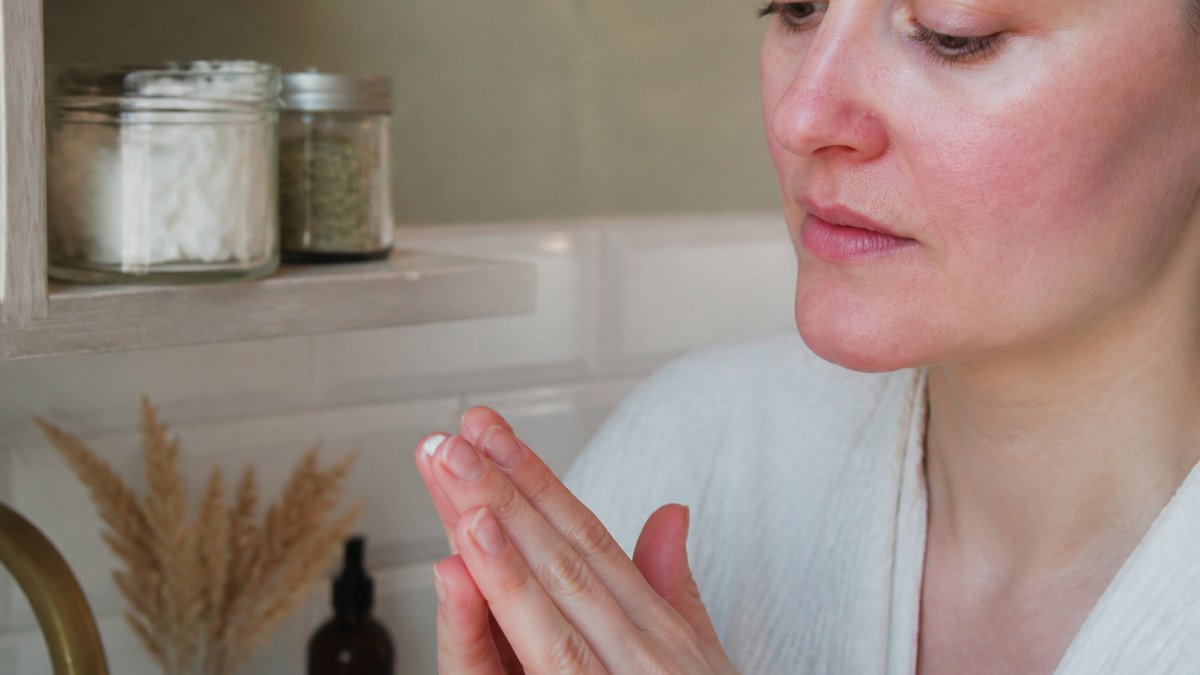
Pure Whipped Tallow: The Everyday Moisturiser
Our top pick is Pure Whipped Tallow (£35.00 for 118ml), and it earns that spot on ingredients alone.
Best for: dry, tight-feeling skin on the face, neck and body.
Pros: one jar covers face, hands and body; concentrated water-free formula; a pea-sized amount goes far. Cons: rich texture takes adjusting to if you are used to light lotions; not fragrance-free in the aromatic sense, so patch test if you react to botanicals.
Calm Balm and Glass Skin Elixir: Targeted and Finishing Steps
Calm Balm (£30.00) is the product to reach for when a specific area needs more than a moisturiser.
Best for: Calm Balm suits stubborn dry patches; the Elixir suits dull, dry skin needing a glow step.
Pros: both are simple, short formulas; the Elixir doubles as a morning or evening finisher. Cons: the Elixir contains frankincense, so anyone sensitive to aromatic botanicals should patch test first.
Quick Comparison: Products, Sizes and Prices
| Product | Size | Price | Best For | Key Ingredients |
|---|---|---|---|---|
| Pure Whipped Tallow | 118ml | £35.00 | Daily face and body moisture | Tallow, shea butter, jojoba, bakuchiol |
| Calm Balm | 2oz | £30.00 | Dry patches, lips, hands | Tallow, calendula, chamomile |
| Glass Skin Elixir | Mini to full | £30.00 | Glow finish, dry skin | Castor oil, coconut oil, frankincense |
| Calm Balm + Facial Oil Duo | 2-piece set | £50.99 | Balm plus oil routine | Both of the above |
| Sensitive Skin Starter Set | 2 full-size | £50.00 | Dry, reactive skin | Tallow cream plus Calm Balm |
| Mini Discovery Set | 4 minis | £29.99 | First-time buyers | All four core formulas |
What Small-Batch Skincare Cost Really Buys You
Small batch skincare cost comes down to volume, but the useful question is what that volume actually is. "Small batch" has no legal definition in the UK, so a maker can use it freely. What separates a genuine short run from a marketing line is whether the maker will tell you the batch size, the ingredient sources, the fill date and the shelf life.

What a real small batch looks like
A short run is typically measured in the low hundreds of units per formula, not tens of thousands. That scale changes the economics in four visible ways:
- Ingredients. A maker buying shea butter, jojoba or tallow in modest quantities pays more per kilogram than a factory buying by the tonne. Cold-pressed and single-origin oils cost more again.
- Packaging. Glass jars and aluminium lids bought in small volumes carry a higher unit cost than bulk plastic. This is often the single biggest line in a small-batch price.
- Testing. Safety assessment and stability testing are fixed costs per formula. Spread across 300 jars rather than 30,000, they add far more per unit.
What you are actually paying for
Short runs let the maker adjust a formula between batches, check each one, and keep stock moving rather than sitting in a warehouse.
Freshness matters too. A product filled recently has had less time to oxidise, particularly oils rich in fatty acids. Ask for the fill date, not just the best-before date, and store jars away from heat and direct light to slow rancidity.
How to verify the claims before you buy
A maker serious about small-batch practice will answer these without hesitation:
- Batch size. How many units were made in the last run of this formula?
- Fill date. When was this specific batch filled?
- Sourcing. Where do the tallow, oils and butters come from, and are they refined or cold-pressed?
- Testing. Has the formula had a safety assessment and stability testing, and can they confirm it?
- Shelf life. What is the period-after-opening, and how should it be stored?
Under UK cosmetics labelling rules, cosmetic products sold here must carry a full ingredient declaration and, where relevant, a date of minimum durability or period-after-opening. That gives you a baseline to check any small-batch claim against.
Is it worth it? For reactive or dry skin, often yes, you are paying for a shorter ingredient list, fresher stock and a maker you can question.
Natural Skincare for Sensitive Skin: Reading the Label
Natural skincare for sensitive skin still needs a careful label read, because "natural" is not a safety guarantee. Botanical oils and essential oils cause reactions in some people, and fragrance, whether synthetic or from botanicals, is a common trigger regardless of origin.
Read the full declaration, not the highlights
Under UK cosmetics labelling rules, cosmetic products sold here must carry a full ingredient declaration, listed in descending order of concentration down to 1%. That ordering is useful: if a botanical extract sits near the end, it is present in small amounts. If the maker only lists hero ingredients, ask for the full declaration before buying.
Flag the common allergens by name
A short list worth checking against your own history:
- Aromatic botanicals. Frankincense, chamomile, lavender and other essential oils contain naturally occurring allergens such as limonene and linalool. These must be declared on the label when they exceed the regulatory threshold.
- Fragrance. Any added fragrance, natural or not, is a frequent trigger for reactive skin. Fragrance-free is safer than "natural fragrance".
- Plant butters and oils. Shea, coconut and jojoba are generally well tolerated but can cause reactions in some people, particularly on compromised skin.
Match the formula to your skin type
A practical comparison for the main face-care concerns:
| Skin type or concern | What to look for | What to avoid |
|---|---|---|
| Sensitive or reactive | Short ingredient lists, water-free balms, no added fragrance | Long botanical blends, essential oils, fragrance |
| Dry or tight | Occlusive butters, tallow, jojoba, shea | Alcohol-heavy toners, foaming cleansers |
| Acne-prone | Lightweight oils low in comedogenic rating, non-comedogenic balms | Heavy occlusives on the whole face, pore-clogging butters |
| Mature | Barrier-supporting fatty acids, bakuchiol, antioxidants | Harsh exfoliants layered with actives |
Water content and microbial risk
Water-free balms and oils are offered by Izzy Rose Skin. Water-containing creams need a preservative system; that is not a flaw, but it is a reason to check the preservative if you react to common ones. Store any water-containing product as directed and do not use past its period-after-opening.
Patch test before you commit
Patch testing is the single most useful habit for reactive skin, and it takes two days. Apply a small amount to your inner forearm, cover it, and leave it for 48 hours. If there is no reaction, repeat behind the ear before going near your face.
- Clean and dry a small patch on the inner forearm.
- Apply a pea-sized amount and cover with a plaster.
- Leave for 48 hours without washing the area.
- Check for redness, itching or swelling, then repeat behind the ear.
- Introduce one new product at a time, not three at once.
If you have a diagnosed skin condition, check with your GP or a dermatologist before adding new actives.
How to Patch Test Face Skincare Before You Commit
Patch testing is the single most useful habit for reactive skin, and it takes two days. Apply a small amount to your inner forearm, cover it, and leave it for 48 hours. If there is no reaction, repeat behind the ear before going near your face.
A simple routine:
- Clean and dry a small patch on the inner forearm.
- Apply a pea-sized amount and cover with a plaster.
- Leave for 48 hours without washing the area.
- Check for redness, itching or swelling, then repeat behind the ear.
- Introduce one new product at a time, not three at once.
If you have a diagnosed skin condition, check with your GP or a dermatologist before adding new actives. Bakuchiol, for example, is generally well tolerated but is still an active worth introducing slowly.
Which Set Should You Pick?
If you are new to tallow-based face care, start with the Mini Discovery Set (£29.99). It gives you four mini formats, including the whipped moisturiser, Calm Balm, the facial oil and the scalp oil, so you can test textures before buying full sizes.

For dry, reactive skin that needs a complete routine, the Sensitive Skin Starter Set (£50.00) is the better value: two full-size products worth £65 bought separately.
If you already know you want the balm and oil, the Calm Balm + Facial Oil Duo (£50.99) saves £9.01. And if you want the full ritual with a sculpting tool, the Complete Face Ritual set (£80.75) saves £29.25 against buying separately.
Conclusion
Finding face care that calms rather than irritates is the hard part, and it usually means testing slowly and reading labels properly.
At Izzy Rose Skin, every formula is made in small batches with grass-fed tallow and purposeful botanicals, from the whipped moisturiser to the targeted balm and facial oil. Start with the Mini Discovery Set, patch test each product, and build the routine your skin actually wants.

NHS guidance on caring for sensitive skin
Frequently Asked Questions
Why does small-batch skincare cost more than mass-market products?
Small batches mean shorter production runs, so the cost of each jar carries more of the making, testing and packaging. Water-free and concentrated formulas also use a higher proportion of oils, butters and waxes rather than water, so a 118ml jar lasts longer than a 50ml water-based cream. Sets bring the per-product price down: the Sensitive Skin Starter Set is £50 for two full-size products that cost £65 bought separately.
Is small-batch skincare better for sensitive skin?
It can be, mainly because shorter ingredient lists make it easier to spot what you react to. A balm built on seven ingredients is simpler to audit than a cream with thirty. That said, natural ingredients still trigger reactions, and botanical oils and essential oils are common culprits. Patch test every new product, including the ones marketed for reactive skin, and avoid anything you already know you react to.
How do I patch test a new face skincare product?
Apply a small amount to the inner forearm or behind the ear and leave it for 24 to 48 hours. If there is no redness, itching or swelling, try a small patch on the jawline for another two days before using it across the whole face. Test one product at a time so you know which one caused a reaction. Stop immediately if skin stings, burns or swells.
How long does small-batch face skincare last after opening?
Check the period-after-opening symbol on the jar, usually a small open-lid icon with a number of months inside. Water-free formulas such as balms and whipped tallow are offered by Izzy Rose Skin. Store jars away from direct sunlight and heat, keep water out of them, and use clean fingers or a spatula.
Can I use tallow skincare if I have eczema or rosacea?
Tallow is rich in fatty acids and works as an emollient, sealing in moisture and softening dry-feeling skin, which is why it suits people whose skin feels tight and rough. Patch test first, introduce one product at a time, and if your skin is broken, weeping or inflamed, speak to a pharmacist or GP before adding anything new.


