
Last Updated: October 26, 2026
Quick Summary
Tallow for scalp works by conditioning dry skin, reducing flaking and adding shine to dull hair, because its fats soften rough skin and help slow moisture loss. Warm a small amount, massage it into the scalp, leave it at least 30 minutes and shampoo thoroughly once or twice a week.
- Warm a pea-sized amount between your palms; use two for shoulder-length hair and three for longer hair.
- Leave tallow on for at least 30 minutes before washing, and shampoo twice if your hair is fine or oily.
- Patch test behind your ear or inner forearm for a full 24 hours before applying tallow more widely.
- There is no strong evidence that tallow directly promotes hair growth; benefits are cosmetic and visible.
- Avoid tallow if you have a beef or dairy allergy, or if your scalp is inflamed, broken or infected.
Table of Contents
- Why Tallow for Scalp Health Deserves a Place in Your Routine
- How to Use Tallow on Scalp: A Step-by-Step Ritual
- Tallow for Dry Scalp: What the Fatty Acids and Vitamins Do
- Tallow Hair Mask: Overnight and Pre-Wash Treatments
- How to Wash Tallow Out of Hair Without Greasy Residue
- Does Tallow Actually Promote Hair Growth?
- Safety, Allergies and Who Should Avoid Tallow
- Build Your Scalp Ritual with the Starter Set
- Frequently Asked Questions
Why Tallow for Scalp Health Deserves a Place in Your Routine
Tallow is a traditional, nutrient-rich fat that can support scalp health by conditioning dry skin, reducing flaking and adding shine to dull hair. If you want to start, you can order small batch tallow online.
The scalp is skin. It has the same barrier, the same oil glands and the same tendency to dry out in cold weather or after harsh shampoo. Tallow is rich in the same kinds of fats that make up that barrier. That is the whole idea in one sentence.
Most guides skip the practical part. They promise growth and skip the patch test. We will not do that.
How to Use Tallow on Scalp: A Step-by-Step Ritual
Using tallow on the scalp is simple: warm a small amount, part the hair, massage it into the scalp, leave it for at least 30 minutes and then shampoo thoroughly. Frequency matters more than quantity.
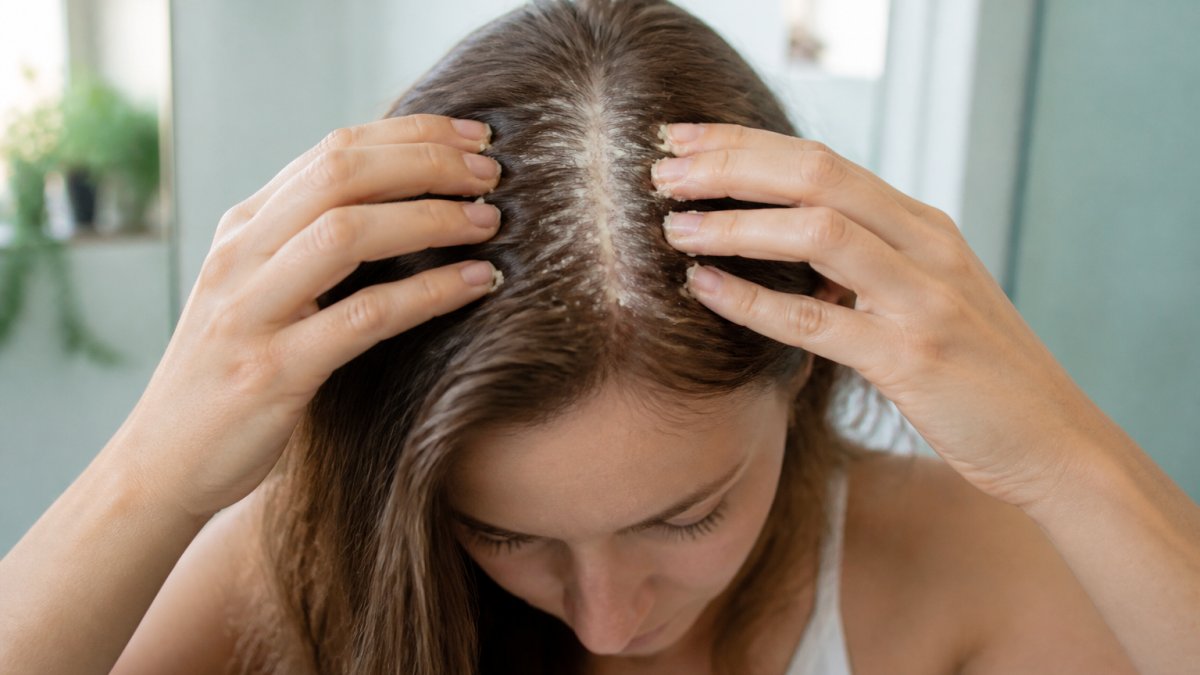
Here is the routine we suggest, with amounts that suit different hair lengths:
- Warm it first. Take a pea-sized amount (about the size of a small broad bean) and rub it between your palms until it melts. For shoulder-length hair, use two pea-sized amounts; for hair past the shoulders, use three. Start with less than you think you need.
- Part your hair. Work in sections so you reach the scalp, not just the strands. A wide-tooth comb makes the partings quicker.
- Massage gently. Use your fingertips in small circles for a few minutes, working from the hairline back. Do not scrub with nails.
- Wait. Leave it for at least 30 minutes. An hour is fine. If you want an overnight treatment, cover the pillow with a towel and accept that it will be messy.
- Wash it out. Shampoo twice if your hair is fine or already oily. Rinse for a full minute longer than feels necessary.
A common pattern is to apply tallow on a Sunday evening before a wash day, so the residue has time to be fully removed before the working week. If you colour or chemically straighten your hair, patch test first and keep the tallow on the scalp rather than the processed lengths.
Patch Testing Before You Begin
Patch testing is a 24-hour check on a small area of skin before you apply a new product more widely. Apply a little tallow behind your ear or on your inner forearm. Wait a full day. If you see redness, itching or swelling, stop.
This step takes one day. A reaction on your whole scalp takes far longer to settle. If you have sensitive skin, repeat the patch test on a second area before a full application.
Here is the suggested routine at a glance, with amounts that suit different hair lengths.
| Step | What to do | Amount or timing |
|---|---|---|
| Warm it | Rub between palms until it melts | Pea-sized; two for shoulder-length, three for longer |
| Part your hair | Work in sections to reach the scalp | Wide-tooth comb makes partings quicker |
| Massage gently | Fingertips in small circles from hairline back | A few minutes; do not scrub with nails |
| Wait | Leave it on before washing | At least 30 minutes; an hour is fine |
| Wash it out | Shampoo twice if fine or oily | Rinse a full minute longer than feels necessary |
| Frequency | Once or twice a week suits most people | Twice a week is plenty for a dry, tight scalp |
Tallow for Dry Scalp: What the Fatty Acids and Vitamins Do
Tallow for dry scalp works mainly by conditioning. Its fats sit on the surface, soften rough skin and help slow moisture loss. It is not a cure for a medical scalp condition, and we would never claim otherwise.
What most guides miss is the difference between dryness and a skin condition. Dryness feels tight and looks flaky. Conditions such as seborrhoeic dermatitis, psoriasis and eczema cause redness, itching and thicker scaling. Tallow can comfort the first. The second needs a clinician.
Vitamins A, D, E and K in Tallow
Tallow naturally contains fat-soluble vitamins, including vitamins A, D, E and K. Vitamin E is a well-known antioxidant, and vitamin A plays a role in normal skin cell turnover. These are nutritional facts about the ingredient, not promises about your hairline.
The realistic benefit is a softer, calmer-feeling scalp. That is worth having on its own.
Tallow Hair Mask: Overnight and Pre-Wash Treatments
A tallow hair mask is a pre-wash treatment, not a leave-in. Apply it to the scalp and dry lengths, leave it for 30 minutes to a few hours, then shampoo out. Overnight use is possible but messy, and most people do not need it.
If you want a lighter option, we make Thrive, our hair and scalp oil, a botanical blend of jojoba, argan and castor oils with vitamin E. It suits a pre-wash massage ritual and is easier to rinse from fine hair than solid tallow.

Use tallow on the scalp, not soaked through the lengths, if your hair is fine. Heavy fat on fine hair is hard to remove.
How to Wash Tallow Out of Hair Without Greasy Residue
Washing tallow out of hair needs warm water, a shampoo that lathers and a second wash. Rinse longer than feels necessary. Greasy residue almost always means too much product or too little rinsing.
Try this:
- Rinse with warm, not hot, water for a full minute
- Shampoo the scalp first, then let the lather run down the lengths
- Repeat the shampoo once if hair still feels coated
- Finish with cool water to smooth the cuticle
Watch out: applying tallow to already-oily roots can leave hair lank for days. Keep it to dry areas and the scalp itself.
Does Tallow Actually Promote Hair Growth?
There is no strong evidence that tallow directly promotes hair growth. What it can do is improve the condition of the scalp and reduce breakage from dryness and friction, which makes hair look healthier. That is a cosmetic result, not a medical one.
Hair shedding has many causes, including iron deficiency, thyroid problems, stress, hormonal changes and genetics. If you are losing hair in patches, shedding heavily or noticing scalp pain, see your GP. A NHS guide to hair loss is a sensible starting point, and a pharmacist can advise on treatments such as minoxidil.
So why use tallow for scalp health if growth is not guaranteed? Because a conditioned scalp and softer strands are real, visible benefits, and they cost you one evening a week.
Safety, Allergies and Who Should Avoid Tallow
Tallow is generally well tolerated, but it is not for everyone. Avoid it if you have a known allergy to beef or dairy-derived ingredients, or if your scalp is currently inflamed, broken or infected. If you are unsure, ask a pharmacist before trying it.
Be cautious if you have seborrhoeic dermatitis. Heavy oils can feed the yeast involved in flare-ups for some people. Patch test, start small and stop if itching increases. The same applies if you are prone to folliculitis or have an active acne breakout along the hairline.
Patch Test and Stop-Use Rules
A patch test is a 24-hour check on a small area of skin. Apply a little tallow behind your ear or on your inner forearm, cover it lightly and leave it for a full day. If you see redness, itching, swelling or a rash, do not use it on your scalp. If the test is clear, apply a small amount to one section of the scalp and wait another 24 hours before a full application.
Stop using tallow and seek advice from a pharmacist or your GP if you notice:
- spreading redness, swelling or warmth
- intense itching that gets worse rather than better
- a rash, hives or blistering
- pus, crusting or pain at the hairline
- increased shedding after use
Who Should Avoid It
Avoid tallow on the scalp if you have an active breakout, open skin, or a scalp condition that is currently inflamed. If you have a history of contact dermatitis, test on a small area first and keep a note of any reaction. If you are pregnant or breastfeeding and unsure, ask your midwife or pharmacist before adding a new product to your routine.
Tallow is a cosmetic ingredient, not a treatment for a medical scalp condition. If you have persistent flaking, redness or hair loss, see your GP rather than relying on a home remedy.
Build Your Scalp Ritual with the Starter Set
A good scalp routine is three steps, not ten: cleanse, condition, repeat weekly. That is exactly what our Skin & Scalp Ritual Set is built for, pairing Calm Balm, Pure Whipped Tallow and Thrive Hair & Scalp Oil at £62.50, saving £27.50 against buying them separately. If your scalp is dry and tight, the Dry Skin & Scalp Care Duo at £45.00 pairs Calm Balm with Thrive for a simpler start.


Frequently Asked Questions
Can tallow clog scalp pores or make hair greasy?
Tallow is rich, so the risk of greasy residue comes from using too much rather than from the ingredient itself. Keep application to a thin layer massaged into the scalp, and always shampoo thoroughly afterwards. If your scalp is oily or your hair is fine, use a smaller amount and limit it to a pre-wash treatment rather than leaving it in. Patch test first, and stop using it if you notice build-up or irritation.
How long should you leave tallow on your scalp?
For a pre-wash treatment, 30 minutes is enough to condition the scalp and soften dry-feeling lengths. If you want a taller hair mask, you can leave it on overnight and wash it out in the morning, protecting your pillow with a towel. Start with 30 minutes to see how your scalp responds, then extend the time only if it feels comfortable.
Does tallow help hair growth?
There is no strong clinical evidence that tallow directly promotes hair growth. What it can do is condition the scalp and hair, which may reduce breakage from dryness and friction so lengths look and feel healthier. Hair thinning has many causes, including genetics, hormones and nutritional deficiencies, so speak to a clinician if you are concerned about hair loss rather than relying on a topical oil alone.
Who should avoid using tallow on their scalp?
Anyone with a known allergy to beef or dairy-derived ingredients should avoid tallow, and people with active scalp infections, open sores or a diagnosed skin condition should check with a clinician first. If you have a sensitive or reactive scalp, patch test on a small area behind the ear 24 hours before wider use. Stop immediately if you experience itching, redness or irritation.
Dry, flaky scalps rarely fix themselves with another harsh shampoo. They need conditioning, patience and a routine you will actually keep. Izzy Rose Skin makes concentrated tallow skincare and botanical haircare in small batches, with purposeful formulas for dry and reactive skin. Start with the Skin & Scalp Ritual Set and give your scalp one calm evening a week. Get started with Izzy Rose Skin and build a scalp routine that feels as good as it looks.


