
Table of Contents
- Why Is Small Batch Skincare Expensive? The Real Reasons
- Small-Batch Skincare vs Mass-Produced Skincare: What Changes at Scale
- The Benefits of Small-Batch Skincare That Justify the Price
- Ingredient Sourcing and Formulation: Where Costs Climb
- Safety, Stability and Shelf Life in Small-Batch Production
- Is Small-Batch Skincare Worth It? How to Judge the Price
- Frequently Asked Questions
Last Updated: October 7, 2026
Why Is Small Batch Skincare Expensive? The Real Reasons
Small batch skincare is expensive because it is made in limited quantities, which removes the cost advantages that come with mass production. Instead of spreading fixed costs across hundreds of thousands of units, a small maker spreads them across a few hundred, so every jar carries a larger share of the labour, testing and ingredient bill.
At Izzy Rose Skin, we make concentrated tallow skincare in small batches for dry, sensitive and reactive skin, so we know exactly where those costs sit. Below, we break down what actually drives the price of small batch skincare, and when paying more genuinely makes sense.
Where Your Money Actually Goes
Most of the price gap has nothing to do with marketing. It sits in four places: ingredients, labour, testing and the size of the production run.
- Ingredients: smaller makers often buy botanical oils, butters and active ingredients in small volumes from specialist suppliers, which costs more per gram than buying by the tonne.
- Labour: filling, sealing and labelling by hand takes time. A production line does in an hour what a small team does in a week.
- Testing: stability and safety testing costs roughly the same whether you make 200 units or 200,000, so the cost per unit is far higher at low volume.
- Production run size: a short run means no bulk discounts on jars, pumps or cartons.
That is the honest answer to why is small batch skincare expensive. It is not one big markup, it is many small costs that only disappear at scale.
Small-Batch Skincare vs Mass-Produced Skincare: What Changes at Scale
The core difference between small-batch skincare and mass-produced skincare is volume, and volume decides almost everything else. Large manufacturers buy raw materials in bulk, run continuous filling lines and negotiate packaging rates that a small maker simply cannot access.
Economies of Scale and Cost Per Unit
Economies of scale describe how the cost of making each unit falls as production volume rises. A factory making 500,000 units spreads its setup, machinery and staffing costs so thinly that the cost per unit drops sharply. A maker producing 300 units spreads the same categories of cost across a fraction of the output.
That does not automatically make the small-batch product better or worse. It means the two products are built to different cost structures, and the retail price reflects that.
| Cost Factor | Small-Batch Production | Mass Production |
|---|---|---|
| Ingredient buying | Small volumes, higher cost per gram | Bulk contracts, lowest cost per gram |
| Labour | Hand filling and labelling | Automated lines |
| Testing | Same cost, fewer units to absorb it | Same cost, spread across huge volume |
| Packaging | Short runs, no bulk discount | Bulk rates, custom tooling |
| Cost per unit | High | Low |
The Benefits of Small-Batch Skincare That Justify the Price
Small-batch skincare offers fresher products, tighter quality control and more concentrated formulas, and those are the benefits that justify a higher price for many buyers. When a maker produces in limited quantities, stock does not sit in a warehouse for months before it reaches you.
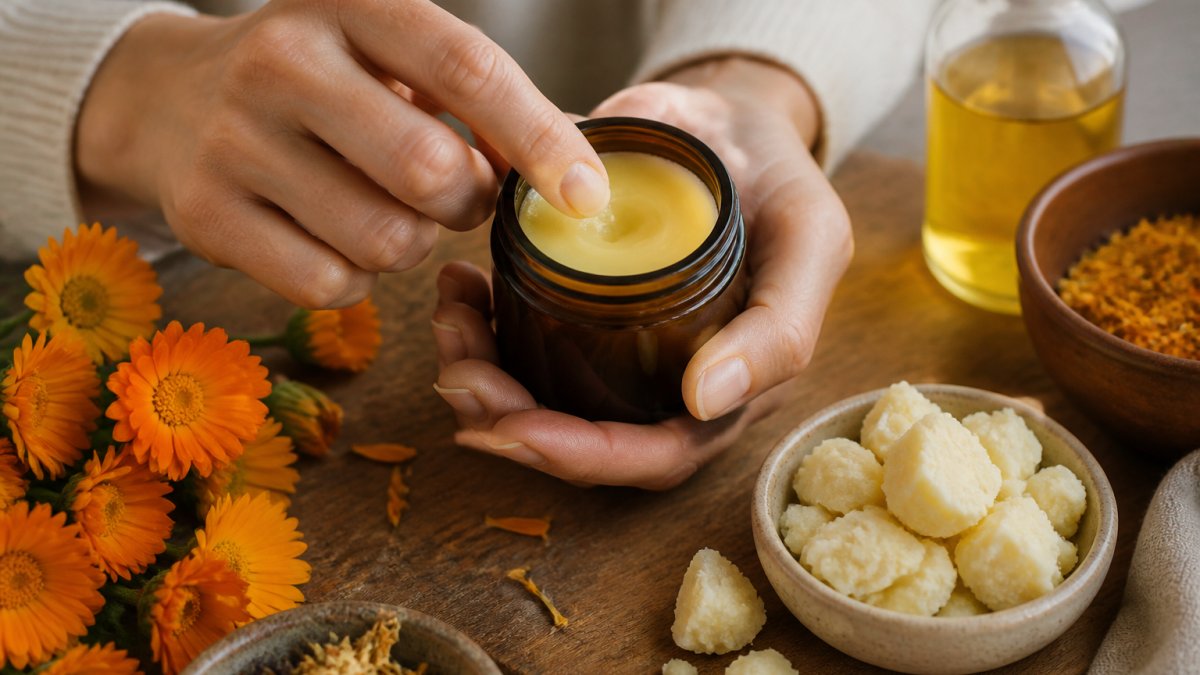
The practical benefits break down like this:
- Product freshness: shorter runs mean less time between making and shipping, so formulas reach you closer to when they were produced.
- Batch consistency and quality control: a small team can check each batch closely rather than sampling from a huge run.
- Higher active concentration: makers who are not competing purely on price often use more of the expensive ingredients and fewer fillers.
- Traceability: smaller supply chains make it easier to know where ingredients came from.
None of this is guaranteed by the words "small batch" alone. It is what good small makers actually do, and it is what you are paying for.
Ingredient Sourcing and Formulation: Where Costs Climb
Ingredient sourcing is where small-batch costs climb fastest. Specialist suppliers, small farms and cold-pressed botanical oils all cost more than commodity alternatives, and premium ingredients are rarely available at bulk rates.
Formulation adds another layer. A water-based cream is cheap to make because water is the main ingredient. An anhydrous, water-free formula is concentrated, so a larger share of the jar is made up of the oils, butters and waxes that actually cost money.
That is why our Pure Whipped Tallow is built around grass-fed tallow, shea butter and botanical oils rather than a long list of fillers. It is also why a concentrated balm can work out cheaper per use than a large bottle of a diluted lotion, even when the jar costs more up front.

Safety, Stability and Shelf Life in Small-Batch Production
Safety and stability testing is one of the most misunderstood costs in small-batch skincare, and it is also where the biggest misconception sits: fresh does not automatically mean safer, and small batch does not automatically mean better preserved. Every formula needs to be assessed for stability and safety before it is sold, and that work costs broadly the same whether you produce 200 units or 200,000.
Preservation: the part that keeps a product safe
Any product containing water, a cream, lotion, serum or gel, needs a preservation system to stop bacteria, yeast and mould growing in it. Water is the ingredient microbes need, and a jar is opened repeatedly, so contamination is a real risk. A well-designed preservative system, used at the correct level and validated against the formula, is what keeps a water-based product safe through its shelf life.
Sensitive Skin Starter Set | Tallow Moisturiser + Balm | IzzyRoseSkin →
An anhydrous (water-free) balm or oil has no water for microbes to grow in, so it does not need the same preservation system. That is one reason small makers often choose water-free formulas: it removes a whole category of microbiological risk and the testing that goes with it. It does not remove the need for stability testing, and it does not make the product sterile, it simply changes the risk profile.
Stability testing: what it actually checks
Stability testing asks whether a formula holds together over time and under realistic conditions. A maker will typically store samples at elevated temperature, at fridge temperature and at room temperature, and check them at intervals for separation, colour change, texture change, odour change and pH drift. The point is to find out how the product behaves before a customer does, and to set a realistic shelf life.
For water-based products, microbiological testing, often called challenge testing, is used to confirm the preservation system can cope with repeated contamination. This is a fixed professional cost, and at low volume it pushes the price of each unit up.
Shelf life, PAO and expiry guidance
Shelf life is expressed in two ways. The unopened shelf life is how long the product stays good before it is opened. The period after opening, shown as a small open-jar symbol with a number of months (the PAO), is how long it stays good once you start using it. A product with a 12M PAO should be used within twelve months of opening, regardless of when it was made.
Small-batch products often have shorter unopened shelf lives than mass-produced ones because they use fewer synthetic stabilisers and less aggressive preservation. That is a trade-off, not a flaw, but it means you should buy in quantities you will actually use, store products away from heat and direct light, and follow the maker's guidance rather than assuming a jar will last indefinitely.
What to check before you buy
- Does the maker state a shelf life or PAO on the packaging or product page?
- Is the product water-based or water-free, and does the maker explain the preservation approach?
- Is there a batch code or made-on date, so you can tell how fresh it is?
- Are storage instructions given (cool, dark, dry, lid closed)?
- Does the maker avoid claiming that "natural" or "preservative-free" is automatically safer?
Stability testing still matters. A maker needs to know how a formula behaves over time, whether it separates, and how long it stays good. That testing is a fixed cost, and at low volume it pushes the price of each unit up.
Is Small-Batch Skincare Worth It? How to Judge the Price
Small-batch skincare is worth it when the formula is concentrated, the ingredients are ones your skin tolerates, and the maker is transparent about what you are paying for. It is not worth it when "small batch" is used as a label with nothing behind it.
Use this checklist before you pay a premium:
- Is the ingredient list short and purposeful, or padded with fillers?
- Does the maker explain why the formula costs what it does?
- Is the product concentrated, so a little goes a long way?
- Can you see clear guidance on how to use it and what it is for?
- Does the price make sense per use, not just per jar?
There are honest cases where small-batch skincare is not worth the extra cost. If your skin is not reactive or dry, a simple mass-produced moisturiser may do everything you need. Small-batch makes most sense when you have specific, ongoing skin needs and you want a concentrated formula built around them.
For dry, sensitive and reactive skin, that calculation often tips the other way. Our Sensitive Skin Starter Set pairs Pure Whipped Tallow with Calm Balm for £50.00, a two-product routine designed to replace a shelf of half-used bottles.

Frequently Asked Questions
Why does small-batch skincare cost more than mass-produced skincare?
Small-batch skincare costs more because it is made in limited quantities. Labour costs are higher per unit, ingredient sourcing from specialty suppliers costs more, and there are no economies of scale. A mass-produced moisturiser might run 50,000 units per batch; a small-batch one runs 200. That difference in production volume means each jar carries a larger share of fixed costs like formulation, stability testing and packaging.
Is small-batch skincare worth it for sensitive or reactive skin?
For many people with sensitive or reactive skin, yes. Small-batch brands often use fewer ingredients and avoid common irritants like synthetic fragrance and fillers. Concentrated, water-free formulas such as those from Izzy Rose Skin use ingredients like grass-fed tallow and shea butter that support the skin barrier. If your skin reacts to mainstream products, a simpler formulation from a small-batch maker can be easier to tolerate and may reduce the need for multiple products.
How can you tell if a small-batch skincare product is worth the price?
Look at the ingredient list first. A concentrated, water-free formula with active ingredients near the top of the list usually delivers more value per jar than a water-based product with fillers. Check the product size and how long it lasts. A 118ml jar of concentrated balm used sparingly can replace several mass-market products, which changes the cost-per-use calculation. Also look for transparency about sourcing and batch dates.
Does small-batch skincare have a shorter shelf life?
Not necessarily. Water-free formulas, like balms and tallow-based moisturisers, are naturally more stable because bacteria need water to grow. Anhydrous products often last 12 to 24 months unopened. Water-based small-batch products may have shorter shelf lives than mass-produced versions because they use fewer preservatives. Always check the batch date and storage instructions. Keeping products cool and dry extends their useful life.
Working out whether a premium price is justified comes down to one question: does the formula do something your current routine does not? If your skin is dry, reactive or easily overwhelmed, a concentrated, fragrance-free routine can replace several products with two. Izzy Rose Skin makes small-batch tallow skincare in the UK, with water-free, concentrated formulas and no unnecessary fillers. Shop the Starter Set and give your skin a simpler, calmer routine.


