
Last Updated: November 8, 2026
Quick Summary
A lightweight facial oil for combination skin should be a thin, fast-absorbing, low-comedogenic formula applied sparingly and mostly to drier areas. Use two to three drops on slightly damp skin, pressing into the cheeks first and only lightly patting the remainder across the T-zone. Apply it after moisturiser and before sunscreen.
- Jojoba oil and squalane are the safest starting points because both feel light and absorb quickly.
- Apply two to three drops to slightly damp skin, pressing into cheeks before lightly patting the T-zone.
- Layer in the order cleanser, serum, moisturiser, facial oil, then sunscreen last in the morning.
- Patch test behind the ear for 24 hours, then introduce every other night for the first week.
- Adjust by drops rather than bottles as seasons and heating change where your dry zones sit.
Table of Contents
- Why Combination Skin Needs a Lightweight Facial Oil
- How to Choose the Best Face Oil for Combination Skin
- Oils That Suit Combination Skin: Jojoba, Squalane and Beyond
- How to Use Face Oil Without Making Your T-Zone Greasy
- Face Oil Before or After Moisturiser?
- Where Tallow Moisturiser for Face Fits In
- Troubleshooting Greasiness, Congestion and Irritation
- Building Your Oil Routine with the Glass Skin Elixir
- Frequently Asked Questions
Why Combination Skin Needs a Lightweight Facial Oil
A lightweight facial oil for combination skin has to do two opposing jobs: comfort dry cheeks without turning an oily T-zone into a slick. That tension is why so many people with combination skin avoid facial oil entirely, and why the wrong bottle ends up abandoned in a drawer.
Many people ask whether an oil will clog pores or sit greasy on the forehead. The honest answer: it depends on the oil, the amount, and where you put it.
Combination skin behaves differently across the face, typically oilier through the forehead, nose and chin and drier on the cheeks.
Here is the key point most guides skip: combination skin rarely needs one product applied evenly everywhere.
How to Choose the Best Face Oil for Combination Skin
The best face oil for combination skin is a lightweight, low-comedogenic formula with a short ingredient list, applied sparingly and mostly to drier areas. Texture matters more than marketing claims: a thin, fast-absorbing oil that sinks in without greasy residue beats a rich, heavy one on a face with an active T-zone.
Start with three filters:
- Weight: look for oils described as dry or fast-absorbing, not buttery or balm-like
- Ingredient count: shorter lists are easier to patch test and easier to trace if something irritates
- Fragrance: added fragrance is a common trigger for reactive skin, so treat it with caution
Reading the Ingredient Label
Ingredient lists are ordered by concentration, so the first few names tell you what you are buying. A rich, heavy oil at the top means a heavier skin feel; mostly lightweight carrier oils with a small amount of a richer one gives nourishment without the film.
Watch for "fragrance" or "parfum" near the end of the list, a scent additive some reactive skin types tolerate poorly. Our approach is to keep the list short enough that you can read every name and know why it is there.
What Comedogenicity Ratings Can and Cannot Tell You
Comedogenicity ratings score how likely an ingredient is to clog pores, usually on a scale from zero to five. They are a useful starting point, not a verdict.
Here is the limit most articles ignore: ratings are typically based on tests with concentrated single ingredients, not the finished formula, and not your face. Coconut oil, for example, carries a higher rating and may not suit an easily congested complexion, yet plenty of people use it without issue.
Oils That Suit Combination Skin: Jojoba, Squalane and Beyond
Jojoba oil and squalane are the safest starting points for combination skin because both feel light and absorb quickly. Jojoba is technically a liquid wax, and squalane is a lightweight emollient that softens without heaviness.
Beyond those two, the field widens:
- Rosehip oil: a botanical oil rich in fatty acids, popular for a brighter, more even-looking finish; choose a refined version if you want a lighter feel
- Hemp seed oil: notably thin and low in heaviness, often described as one of the lightest botanical oils
- Grapeseed oil: a light, inexpensive carrier oil that spreads easily
If your goal is a luminous, non-clogging finish, our guide to the best facial oil for glass skin breaks down which oils deliver glow without congestion. For a closer look at lightweight options built for dehydrated skin, see how to find the best lightweight face oil for dehydrated skin.
How to Use Face Oil Without Making Your T-Zone Greasy
Use face oil on combination skin by applying two to three drops to slightly damp skin, pressing it into the cheeks and drier areas first, and only lightly patting the remainder across the T-zone. Less is genuinely more, a heavy hand is the most common cause of a greasy finish.
Here is the routine we recommend:
- Cleanse gently and leave the skin slightly damp, not dripping, but still tacky to the touch
- Warm two to three drops between your palms for a few seconds
- Press into the cheeks, jaw and any dry patches first, using gentle pressure rather than rubbing
- Pat the leftover residue lightly over the forehead and nose, do not add fresh drops to the T-zone
- Wait a minute before adding anything else, so the oil can settle
People often apply oil to dry skin and wonder why it sits on the surface. Slightly damp skin helps the oil spread further and absorb more evenly, so you need less product.
Layering Oil with Cleanser, Moisturiser and Sunscreen
The order that works for most combination skin: cleanser, water-based serum if you use one, moisturiser, facial oil, then sunscreen in the morning.
Watch out: if you apply oil before sunscreen, the sunscreen may not spread evenly or may pill. If you prefer a simpler morning routine, use the oil only at night and keep the morning to cleanser, moisturiser and sunscreen.
How Much Oil to Use, and Where
Two to three drops is enough for the whole face when applied selectively, think one drop per zone: one for each cheek, and a shared drop patted lightly across the forehead and nose. If your cheeks are very dry in winter, use three drops on the cheeks and none on the T-zone; in humid weather, one or two drops on the cheeks may be all you need.
Patch Testing and Introducing an Oil Gradually
Patch testing is a step many people skip. Apply a small amount behind the ear or on the inner forearm, leave it 24 hours, then repeat on a small patch of jawline. If there is no redness, itching or congestion, introduce the oil every other night for the first week before moving to daily use.
Note how your skin feels on days two, four and seven. Congestion often appears a few days after starting rather than immediately, so a week of every-other-night use gives a clearer signal than a single application. If you are testing a blend rather than a single oil, you will not know which ingredient caused a reaction, which is why a short ingredient list is easier to troubleshoot.
Adjusting Your Oil for Seasonal and Climate Changes
Skin that is combination in a humid summer can turn drier in cold weather and indoor heating. In winter, you may want a slightly richer layer on the cheeks. In summer, drop to one or two drops and keep the T-zone almost bare.
Adjust by drops rather than by bottles: add one drop on the cheeks when the heating comes on, and remove one when the weather turns warm and humid.
Face Oil Before or After Moisturiser?
Apply face oil after moisturiser, not before. Moisturiser adds water-based hydration, and the oil layered on top seals that moisture in. Reversing the order can leave the oil sitting on the surface and the moisturiser struggling to absorb.
The exception is applying oil to slightly damp skin as a final step when you are skipping moisturiser altogether. For a fuller explanation of how the two products differ and how to layer them, read facial oil vs moisturizer: which do you need.
Where Tallow Moisturiser for Face Fits In
A tallow moisturiser for face is a richer, more occlusive option that suits the dry, tight areas of combination skin rather than the whole face. Tallow is a rich, concentrated fat, and some people with dry skin prefer a richer texture to lighter creams.
Keep a richer moisturiser on the cheeks and any flaking patches, and use a lighter product on the T-zone. If you are weighing up whether it suits you, our article on whether tallow moisturizer for dry skin is worth it covers how it supports the skin barrier and locks in moisture.
Troubleshooting Greasiness, Congestion and Irritation
Three problems account for most failed oil experiments, and each has a straightforward fix. The key is to change one variable at a time so you can tell what worked.
| Problem | Likely cause | Fix |
|---|---|---|
| Greasy shine by midday | Too many drops, or oil applied to dry skin | Cut to one or two drops and apply to damp skin |
| Congestion and clogged pores | A heavier oil used across the whole face | Switch to jojoba or squalane and keep the T-zone light |
| Redness or itching | A fragrance or botanical ingredient | Stop use, patch test, and choose a shorter ingredient list |
If It Feels Greasy
Start by halving the amount rather than changing the product: two drops instead of four, applied to damp skin, often solves midday shine. If the oil still sits on top after ten minutes, it may be too heavy for your T-zone, use it on the cheeks only and leave the forehead and nose bare. Applying oil before moisturiser can also make it feel heavier, because the moisturiser has to travel through an oil layer.
If You Notice Congestion
Congestion usually appears as small, flesh-coloured bumps or blocked pores rather than red, inflamed spots. Stop the oil for a week and see whether the bumps settle.
Watch out: if you are also using an active ingredient such as retinol or an exfoliating acid, it can be hard to tell which product is causing congestion. Pause the oil first, since it is the newest addition, and reintroduce it once your skin has settled.
If Your Skin Stings or Itches
Stop using the product immediately. Redness, itching or stinging within minutes of application points to irritation rather than congestion, and continuing will not help.
Watch out: if irritation persists beyond a few days, or you develop swelling or a rash that spreads, stop using the product and speak to a pharmacist or GP rather than layering more products on top.
Changing One Thing at a Time
The most reliable way to troubleshoot is to change a single variable, amount, placement, or timing, and give it a week before changing another. That way, when something improves, you know exactly what to keep doing.
Building Your Oil Routine with the Glass Skin Elixir
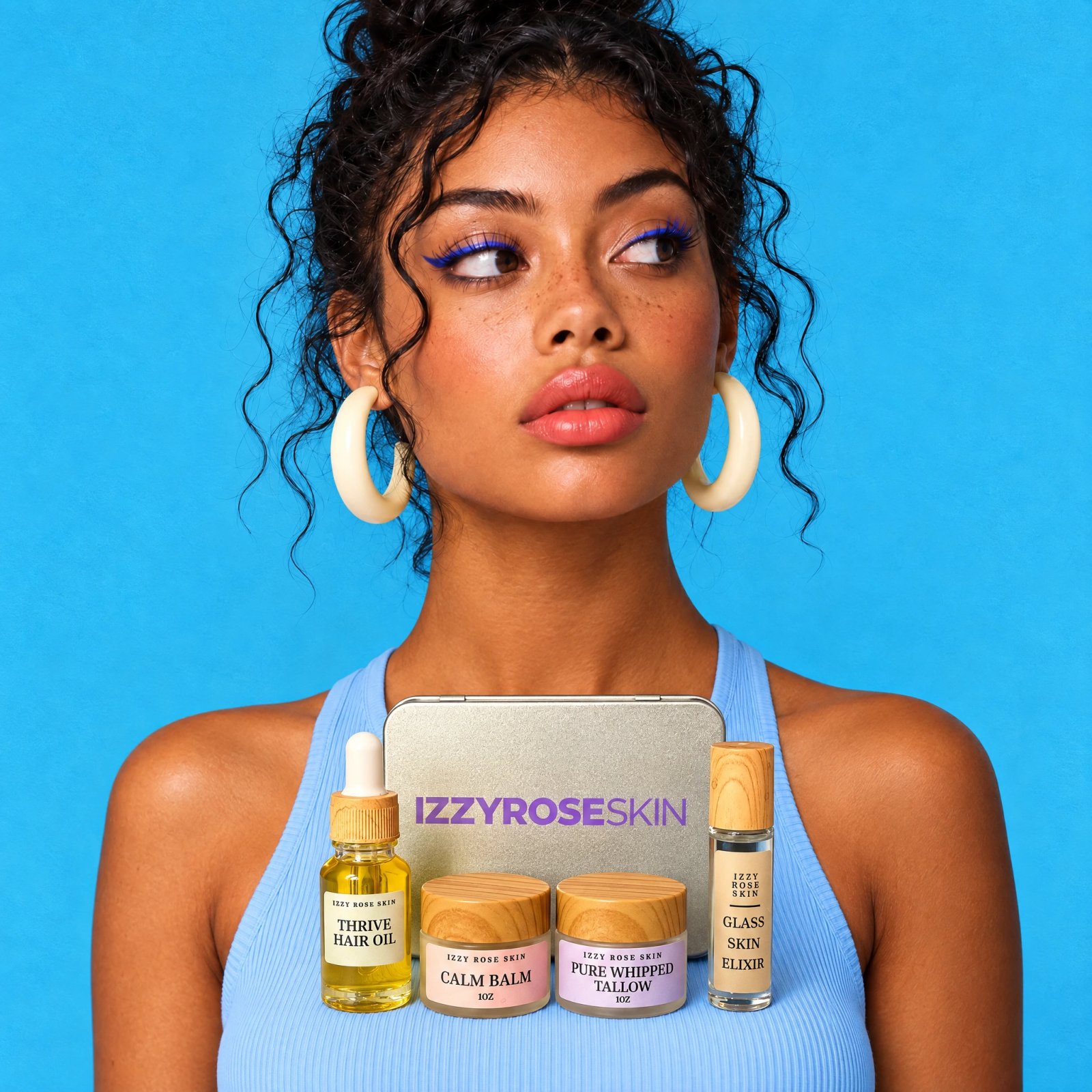
A workable routine for combination skin is short: cleanse, moisturise, then seal with a lightweight oil where you need it. That final step is where the Glass Skin Elixir fits, a concentrated four-ingredient facial oil made with castor oil, coconut oil, vitamin E and frankincense, designed to soften dry-feeling skin and leave a dewy finish.

Use two or three drops on slightly damp skin after moisturiser, pressing it into the cheeks first. Because coconut oil may not suit every acne-prone complexion, patch test first, particularly if your T-zone congests easily. The formula is water-free, so a little goes a long way.
Combination skin rewards precision over quantity. Get the texture and the placement right, and a facial oil can help dry patches and an oily forehead coexist.
If your skin swings between tight and shiny and most products feel like a compromise, the fix is usually a lighter touch, not a longer routine. Izzy Rose Skin makes concentrated tallow skincare and a four-ingredient facial oil for dry, sensitive and reactive skin.
Frequently Asked Questions
Can you use facial oil on combination skin?
Yes, provided the formula is lightweight and applied selectively. Combination skin has oily areas, usually the T-zone, alongside drier cheeks, so a facial oil helps seal moisture into the dry zones without needing to cover the whole face. Choose a non-greasy oil such as jojoba or squalane, start with two or three drops, and press it onto the drier areas last in your routine. Patch test first if your skin is reactive or blemish-prone.
Which facial oil is least likely to feel greasy?
Oils high in linoleic acid, such as hemp seed and rosehip, tend to absorb quickly and leave less residue. Squalane is another lightweight option that sits close to the skin's own sebum. Heavier oils like castor and coconut feel richer and suit dry patches rather than the whole face. Texture also depends on formulation: a concentrated blend used at two or three drops will feel far lighter than a generous pour of the same product.
Should you use facial oil before or after moisturiser?
Apply facial oil after moisturiser, or press it onto slightly damp skin as your final step. Oil sits on top of water-based layers and helps reduce moisture loss, so putting it underneath a cream limits how much of the oil actually reaches the surface. In summer you may find oil alone is enough; in winter, layer it over your moisturiser to lock in hydration on the cheeks while leaving the T-zone bare.
Is tallow moisturiser suitable for combination skin?
A richer moisturiser is often better suited to the drier areas of combination skin than the whole face. Use a small amount on cheeks and any flaky patches, and keep the oily T-zone on a lighter product. If your skin is reactive, patch test on the inner forearm for a few days first. A tallow moisturiser for face pairs well with a lightweight facial oil as the finishing step on dry zones.


