
Table of Contents
- How Cleansers, Hot Water and Over-Washing Strip Moisture
- Dry Skin Versus Dehydrated Skin: Knowing the Difference
- How to Repair a Damaged Skin Barrier at Home
- Best Cleanser for Dry Sensitive Skin and How to Choose One
- A Step-by-Step Post-Wash Routine and Skin Barrier Repair Routine
- How to Moisturise Sensitive Skin After Cleansing
- Start Your Post-Wash Routine With the Dry Skin Rescue Duo
- Frequently Asked Questions
Last Updated: November 11, 2026
That tight, squeaky feeling after washing your face is your skin telling you something, and it is a common reason people ask why their skin feel tight after washing. The answer usually points to one thing: the cleansing step has stripped away more natural oil than your skin can comfortably spare. Tightness is a sign of moisture loss, not a sign that your skin is clean.
Here's the good news. The fix is rarely complicated, and it often starts with changes you can make tonight.
Tight skin after washing is a sign of disrupted moisture, not a sign of a deep clean. Your skin holds a thin layer of natural oil and water that keeps it flexible. When a cleanser removes too much of it, the surface loses flexibility and feels taut.
That's why the question "why does my skin feel tight after washing" has such a common answer. Many everyday habits strip the skin a little more than it can handle, and the effect adds up over days and weeks.
- Tightness usually appears within minutes of washing.
- It often eases after moisturising, but returns if the routine stays the same.
- Repeated tightness can lead to flaking, redness or stinging over time.
Look at the pattern. If the tight feeling fades quickly after you apply a moisturiser, the skin barrier is likely intact but overloaded. If it lingers for hours, the barrier may need more support.
How Cleansers, Hot Water and Over-Washing Strip Moisture
Three everyday habits do most of the damage: a harsh cleanser, hot water and washing too often. Each one can remove oil faster than your skin replaces it.
Harsh cleansers and the acid mantle
Your skin has a slightly acidic surface, often called the acid mantle, with a pH that sits below neutral. Many foaming cleansers are more alkaline, and strong surfactants can dissolve oils along with dirt. Together, they can leave the surface feeling squeaky and dry.
A common mistake is choosing a cleanser for how well it foams. Heavy foam is not a measure of cleaning power. A gentle, creamy or milky cleanser can remove makeup and daily grime without the tight feeling.
Hot water and cleansing too often
Hot water dissolves oils faster than lukewarm water does. A steamy shower or a face wash under very hot water can strip moisture in a single session. Washing your face two or three times a day, especially with a strong cleanser, adds to the problem.
- Use lukewarm water, not hot.
- Wash your face once in the morning and once at night, unless you have a reason to do more.
- Pat your skin dry rather than rubbing it with a towel.
Dry Skin Versus Dehydrated Skin: Knowing the Difference
Dry skin and dehydrated skin feel similar, but they need different fixes. Dry skin is a skin type that produces less natural oil. Dehydrated skin refers to a lack of water in the skin, and it can affect any skin type, including oily skin.
Here is a quick way to tell them apart:
| Feature | Dry skin | Dehydrated skin |
|---|---|---|
| Main cause | Low natural oil production | Low water content |
| Typical feel | Rough, flaky, sometimes itchy | Tight, dull, fine lines look more visible |
| Best first step | Rich moisturiser | Hydrating layer, then moisturiser |
Many people have both at once. If your skin feels tight after washing but looks oily in the afternoon, dehydration is a likely cause. If it is flaky all day, dry skin is more likely. Both respond well to a gentler routine and a good moisturiser.
How to Repair a Damaged Skin Barrier at Home
A healthy skin barrier holds moisture in and irritants out. If you are wondering whether pricier natural options are worth it, this comparison of organic skincare for barrier repair covers the trade-offs. When it is damaged, tightness, stinging and sensitivity become more frequent. Repairing it generally takes consistency rather than a long list of products.
Start with a simple routine for two to four weeks:
- Cleanse gently. Use a mild, fragrance-free cleanser once or twice a day.
- Moisturise straight away. Apply a barrier-supporting moisturiser while skin is still slightly damp.
- Protect in the day. Use a broad-spectrum sun protection product.
- Limit actives. Pause strong exfoliants and retinoids until the skin feels calm.
Watch out: If you notice swelling, weeping, spreading redness or pain, stop using new products and speak to a doctor or pharmacist.
Best Cleanser for Dry Sensitive Skin and How to Choose One
The best cleanser for dry sensitive skin is usually the mildest one you can find. Look for a cream, milk or gel formula that is fragrance-free and does not foam heavily.
When choosing, check these points:
- Texture: Creamy and milky cleansers tend to leave less tightness.
- Fragrance: Fragrance-free options are less likely to irritate reactive skin.
- Surfactants: Gentle, low-foaming cleansers remove less oil.
- Rinse-off test: Your skin should feel comfortable, not squeaky, straight after rinsing.
A Step-by-Step Post-Wash Routine and Skin Barrier Repair Routine
A post-wash routine works because each step protects the skin at the moment it is most vulnerable. Freshly cleansed skin has lost some of its surface lipids and is more permeable to water loss, so the goal is to limit how much moisture leaves and to replace it quickly. The sequence below applies whether you are washing your face or showering.
1. Choose a lukewarm temperature. Hot water dissolves lipids more readily than lukewarm water, so a steamy face wash or long hot shower strips more oil in one session. Aim for water that feels comfortable on the back of your hand. For the shower, keep sessions short and avoid scrubbing the body with a rough cloth.
2. Cleanse briefly and gently. Use your fingertips, not a washcloth, and keep contact to around thirty seconds. For the body, a soap-free or syndet cleanser applied only to areas that need it, such as underarms, feet and the groin, is usually sufficient. The rest of the body rarely needs daily cleansing with a strong product.
3. Rinse thoroughly. Leftover cleanser residue continues to act on the skin after you step away from the sink. Rinse until the water runs clear of any slickness, but avoid over-rinsing with hot water.
4. Pat, do not rub. Press a soft towel against the skin and leave it slightly damp. Rubbing creates friction and removes more surface moisture than patting does. Drying the body fully is not necessary; leaving skin slightly damp helps the next step.
5. Moisturise within about three minutes. This is the most important step for tightness. Applying moisturiser while the skin is still damp traps water in the outer layers. Use a fragrance-free moisturiser with humectants such as glycerin to draw water in, and an occlusive ingredient to help seal it. For the body, a thicker cream applied to the legs, arms and torso works well straight after the shower.
6. Add an oil only if needed. If skin still feels dry two or three minutes later, a few drops of a facial oil can be layered over the moisturiser. Facial oils add occlusion rather than hydration, so they work best on top of a water-based step.
How to test one change at a time. Choose one variable to adjust for two weeks, such as water temperature, and keep everything else constant. Note each morning how tight the skin feels, whether there is stinging or redness, and how comfortable it is by evening. If the pattern improves, keep the change and then test the next one. If nothing shifts after two weeks, move on to the next variable rather than adding products.
When to see a doctor. Tightness that persists despite consistent changes, or that comes with cracking, bleeding, spreading rash, intense itching that disturbs sleep, or signs of infection such as pus, warmth or swelling, should be assessed by a GP or pharmacist. Ongoing dryness can have several causes, and a proper assessment from a GP or pharmacist is the best way to find out what is going on.
How to Moisturise Sensitive Skin After Cleansing
Moisturiser works best when it goes on soon after cleansing. For sensitive skin, a simple, fragrance-free cream with ceramides, glycerin or shea butter is a good starting point. Apply a pea-sized amount and press it in gently. For a whipped option you can use after washing, try the Pure Whipped Tallow face and body cream.

Choose a texture that matches your skin. Richer creams suit dry skin. Lighter lotions suit combination or dehydrated skin.
Start Your Post-Wash Routine With the Dry Skin Rescue Duo
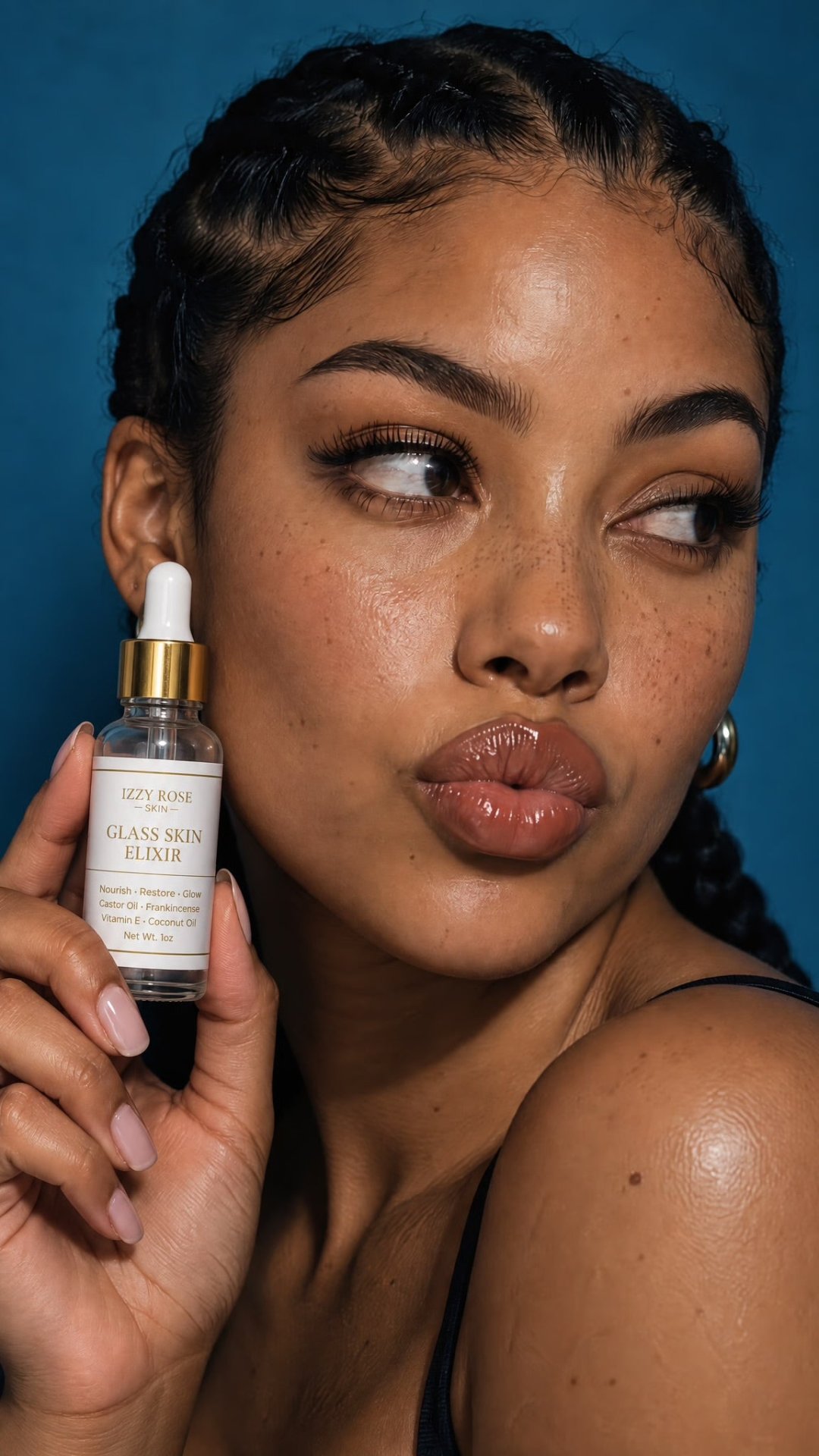
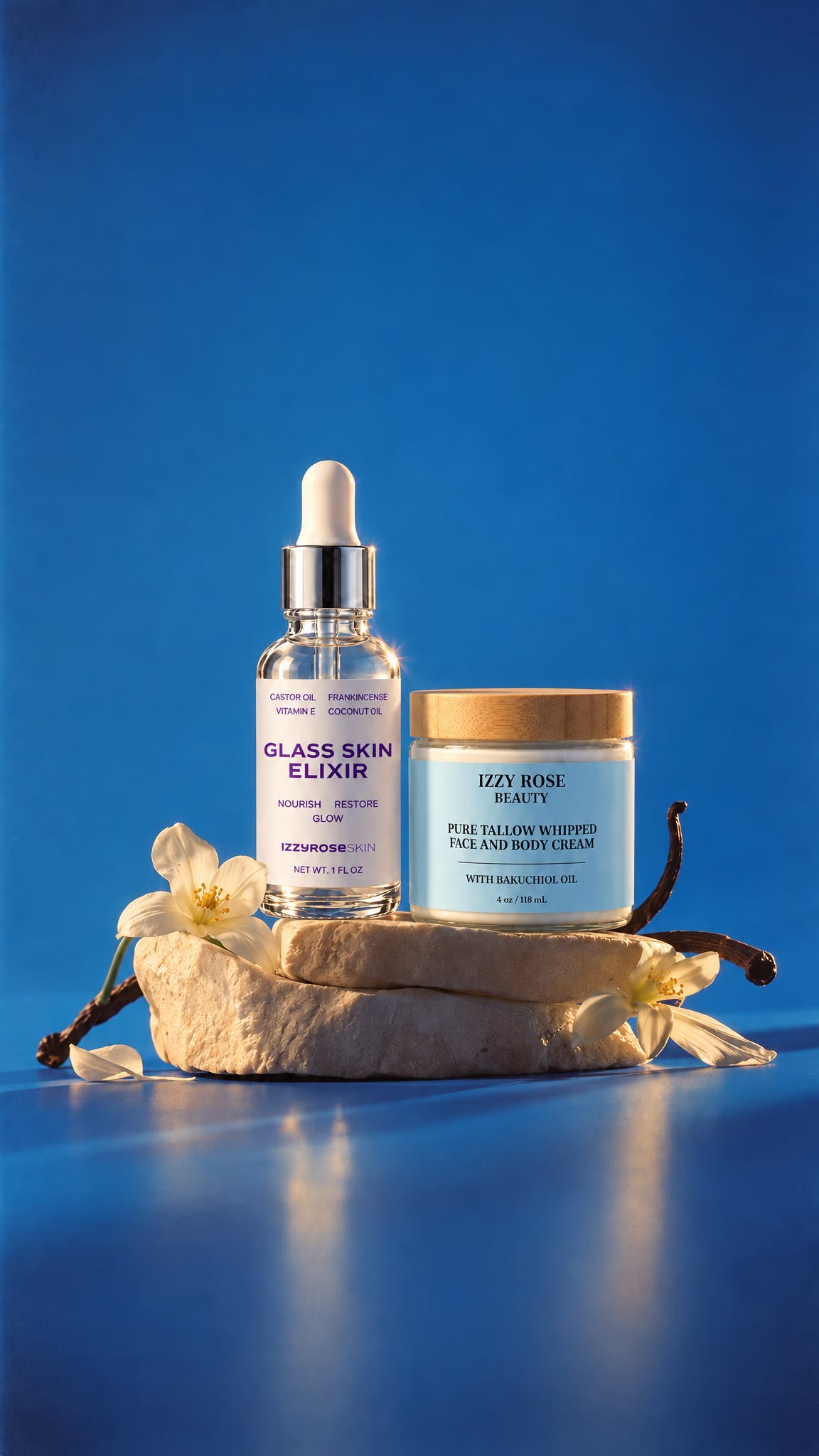
If you want a simple two-step routine, the Dry Skin Rescue Duo pairs our Pure Whipped Tallow Face & Body Moisturiser with the Glass Skin Elixir Facial Oil. Apply the whipped tallow after cleansing, then add two or three drops of the elixir to finish. At £49.99, it brings together two full-size essentials for dry, tight-feeling skin.
Tightness after washing is usually a sign that your skin needs more moisture and a gentler approach. Start with a mild cleanser, lukewarm water and a moisturiser soon after washing, and give the changes a couple of weeks. Shop the Starter Set when you are ready to build your routine.
Frequently Asked Questions
Why does my skin feel tight after washing?
Tightness after washing usually means the skin has lost some of its natural oils and water. Cleansers with strong surfactants, hot water and frequent washing can disrupt the skin barrier and raise surface pH, so moisture escapes more easily. The feeling is typically temporary if the skin is supported with a gentle cleanser and a moisturiser applied soon after washing.
Is tight skin after cleansing a sign of a damaged skin barrier?
It can be. A healthy skin barrier holds in moisture, so when it is disrupted, skin feels dry, tight or uncomfortable after cleansing. Other signs include stinging, redness, flaking and increased sensitivity to products. If discomfort persists for several days despite gentler habits, the barrier may need more time and support to recover.
Can my cleanser make my skin feel tight?
Yes. Cleansers that foam strongly or contain harsh detergents can remove too much sebum and moisture, especially on dry or sensitive skin. Look for gentle, fragrance-free formulas labelled for sensitive or dry skin, and use them once or twice a day rather than repeatedly throughout the day.
When should I seek advice about dry, tight or irritated skin?
See a GP or pharmacist if tightness comes with persistent redness, cracking, weeping, pain, spreading rash or signs of infection, or if it does not improve after two to three weeks of gentler care. Persistent symptoms can indicate a condition such as eczema or dermatitis, which benefits from professional assessment.


